
Wildling Pictures’ Matt Code: Why Canada and Europe need deeper creative partnerships
As global production models continue to evolve, Canadian producers are looking beyond traditional financing structures to build deeper creative partnerships with Europe. In this interview, Matt Code, CEO of Wildling Pictures, discusses how Canada’s changing cultural landscape, shrinking domestic commissioning budgets and the growing importance of international collaboration are reshaping the future of co-production. He shares his approach to building meaningful transatlantic relationships, the role of authenticity in creating globally resonant stories, and why co-production should be seen not only as a financial solution but as an opportunity to develop stronger, more ambitious films and series for international audiences.
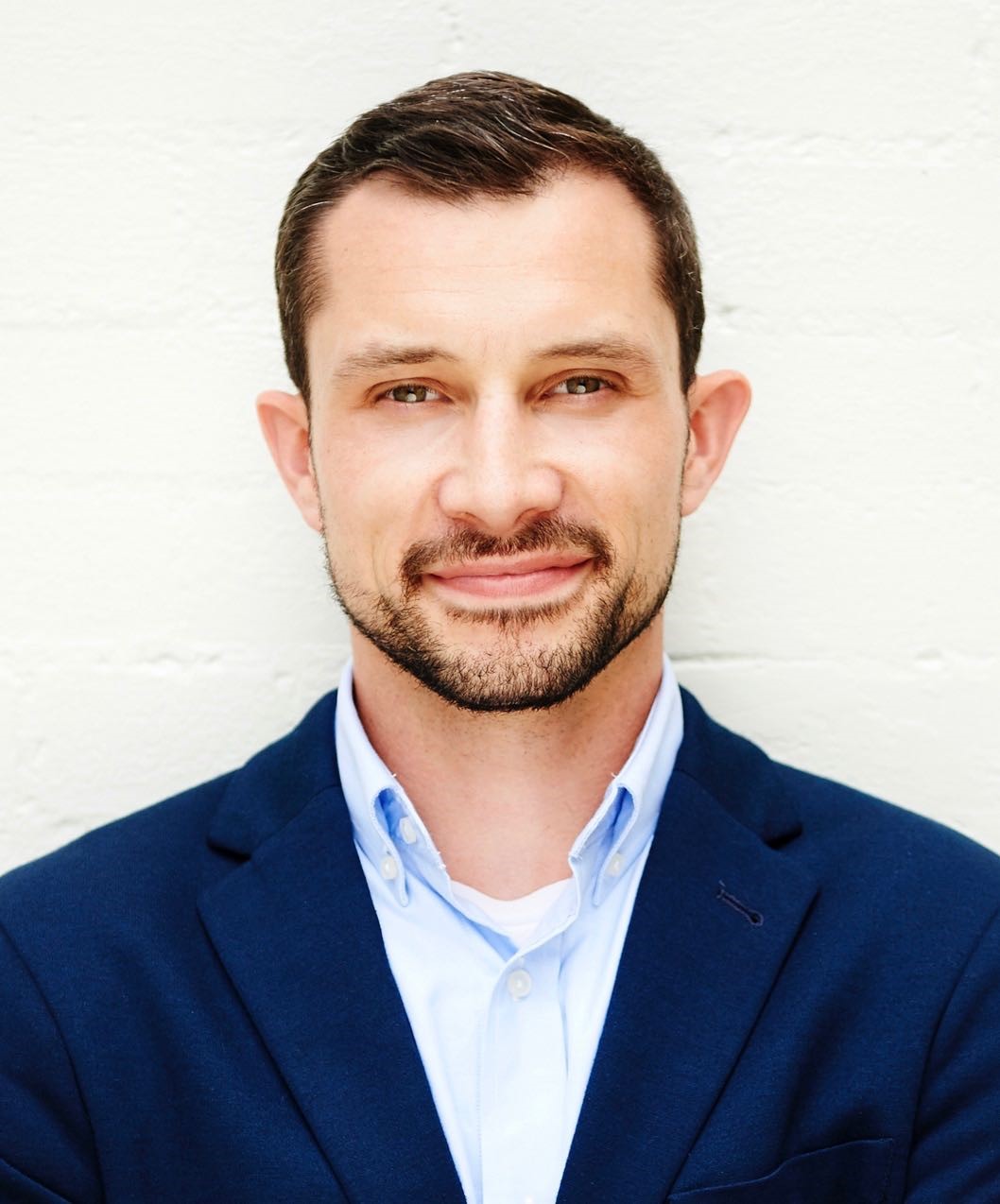
Matt Code, CEO of Wildling Pictures
Canada has long been active in international coproduction, but the market is changing rapidly. What makes this the right moment for Canadian producers to deepen partnerships with Europe, and where do you see the biggest opportunities emerging?
We can be very focused on co-production as a solution to financial pressures, but we feel our current moment offers more. While it’s certainly true that disruption in the global market has sent independent producers across the globe searching for new sources of financing, I think it’s also true that recent shifts in our cultural, political and economic realities as a global community are increasing the depth of the Canadian public’s interest in Europe. We believe that opens an opportunity to bring a wider stable of international stories to Canadian audiences, and therefore increases opportunity for co-production, including with Canada as a minority partner. Canadians want to understand and feel a part of the larger global community, as Canadians, not within the constructs Hollywood dominates Canadian screens with. Not only does this more accurately reflect our multicultural heritage but better reflects where we see ourselves as a country and global partner in the future. I believe this expands the opportunity to see internationally produced films like Banshees of Inisherin, The Substance or Anatomy of a Fall find success in the Canadian and global markets.
Wildling Pictures positions itself as a bridge between North American storytelling and European financing structures. What practical steps should producers take to build successful transatlantic partnerships that go beyond simply securing funding?
I can only really speak for what we’re doing at Wildling, because I’m sure there are lots of perspectives on this. However, above all else the one thing we’ve been trying to do is simply listen. We’re meeting with as many producers across the globe as possible, and not only at markets, but also via Zoom between markets whether through connections or cold intros. And we’re listening to understand not only what’s creatively interesting to them, but also what the pressures are for them domestically, how their system works, and how they’re telling stories. In doing this we’re building relationships that aren’t about two sides of a finance plan, but rather about filmmakers who share our passion not only for the stories they tell but innovating the way in which they’re produced and told. This opens up the opportunity for early-stage and/or long-term development of projects with a keen understanding of the needs/interests of both sides, which in turn can ensure that their eventual success.
We’re also honest about what we bring to the relationship beyond our knowledge of the Canadian system. Years of service production have given us real working relationships in the US market that most Canadian producers don’t have - and for a European partner trying to access North America, that can be as valuable as anything in the treaty framework.
Do you plan to open a European office or do you work with a representative?
It’s an interesting question and the simple answer is that we do not have any immediate plans to open an office in Europe. We have however been prioritizing spending more time visiting Europe and not only at markets but also visiting potential partner countries.
Many buyers are looking for projects with global appeal while still retaining a strong local identity. How can Canadian producers strike that balance and create originals that travel internationally without losing their cultural authenticity?
I don't think those two things are in tension - I think chasing "global appeal" as its own goal can too easily kill a film. First, not every project must have a global audience to succeed. There are some stories that might simply have a smaller audience, and if you can find a model for the film that makes sense in the situation then that can be okay. Beyond that, the projects that successfully travel are the ones that are specific. Specificity is what feels real to an audience anywhere. When we develop something, the question isn't "how do we make this universal," it's "how do we make this true", and that starts with genuinely understanding the cultural world the characters inhabit. The deeper you go into that world, the more specific and therefore the more authentic the storytelling becomes. The trap is sanding off the cultural texture to make something feel exportable, and you end up with a film that belongs nowhere. Authenticity isn't the thing you trade away for international reach. It's the asset.
Canada's dual-language environment is often cited as a unique advantage. How does operating between English- and French-speaking storytelling traditions help Canadian producers develop projects that are 'global by design'?
I don’t feel best suited to answer this question, as while we are looking for new opportunities to work bilingually, most of my experience doing so is in Canadian television that had a limited international component. However, I would say on a very general level I think our bilingual environment better prepares Canadian producers for the challenge of working respectfully with two unique perspectives and cultures in play.
With domestic commissioning budgets under pressure across North America, are coproductions becoming a necessity rather than an option?
Yes, I suppose so, but I'd frame it as a healthy necessity rather than a grim one. The pressure is real: the license fees and commissioning budgets that used to be the anchor have contracted, and it’s hard to see that reverting. But necessity has a way of producing better filmmaking. Coproduction forces you to make a project that must work in more than one market, which is a useful discipline. So, whether option or necessity, I think it can be a net positive.
How has this shift influenced the way Wildling develops and packages projects for the international market?
We think about the coproduction architecture much earlier now - often before the script is locked. That means being deliberate about where creative points can land, which roles have flexibility, and which treaty partners genuinely fit a given story rather than forcing a structure that fights the material. The underlying rights, the key creative nationalities, the potential partners - we're mapping all of that during development, not scrambling for it during financing. And we’re also leaving some bandwidth to receive projects from partners. As we find our footing in the new order of things it can’t work if everyone is purely focused on their own project. There must be some give and take for co-production to work and this new ecosystem to flourish, so we’re mindful that we can’t tie up all our energy in our own ideas. We must be excited about other’s as well, and that’s been really fun.
What are your latest titles and how many projects do you have in the pipeline?
Our current slate spans elevated genre and character-driven work. Devour, a female-gaze body horror feature from director Erica Orofino. We also have a romance feature that we hope to film next summer in Newfoundland. We are currently looking for a UK or Irish partner as there is an international creative element to that project.
On the late development side, we're circulating two projects for potential co-production, one is the The Big D, a family horror-comedy from writer Josh Saltzman with genuine four-quadrant reach. The other is What’s Granddad? from writer Ivy Johnson, which is a genre bending creature horror-comedy and an irreverent take on the gaslighting of new mothers. Both of those projects we’re interested in finding international partners for at an early stage with the directors of each still open. And then we also have a historical spy thriller that spans WWI and WWII from screenwriter Adam Yorke called The Man Who Warned the World nearing a second draft. We’ll soon be looking partners for as well. That project is based on Jason Bell’s book, Cracking the Nazi Code: The Untold Story of Canada’s Greatest Spy.
And then with animation, we have our children’s series Professor Goose that we’ve developed scripts for and are currently looking for partners that can bring commissions, whether for digital or linear. And we also have Hot Flash, which is a 30-min adult comedy adapted by Susan Coyne and Thea Hollatz from our award-winning short film directed by Hollatz.
Beyond that we have two or three other projects in earlier stages, some co-productions, that it would be premature to detail, and that’s about as large as we like to keep our slate. Again, always leaving the opportunity to utilize our significant experience in physical and postproduction to play a minority role in other’s projects.
Looking ahead, what changes would you like to see in Canada–Europe coproduction frameworks to make them more attractive and effective for producers seeking to build internationally viable IP?
More than any one change I think what’s important is that all the stakeholders recognize the treaties and the systems that administer them now bear greater responsibility for the health of the global industry. As collaboration increases, producers need to be providing feedback to the administrators, and they need to act to improve the speed and compatibility of systems across the ecosystem to prevent movies from getting stalled for years. We should also be paying particular attention to how minority co-production is treated within our respective systems, because as I said before, everyone can’t be taking – there must be some give too. We depend on each other more than ever and we must take the responsibility we share seriously to create stability for ourselves.
We can be very focused on co-production as a solution to financial pressures, but we feel our current moment offers more. While it’s certainly true that disruption in the global market has sent independent producers across the globe searching for new sources of financing, I think it’s also true that recent shifts in our cultural, political and economic realities as a global community are increasing the depth of the Canadian public’s interest in Europe. We believe that opens an opportunity to bring a wider stable of international stories to Canadian audiences, and therefore increases opportunity for co-production, including with Canada as a minority partner. Canadians want to understand and feel a part of the larger global community, as Canadians, not within the constructs Hollywood dominates Canadian screens with. Not only does this more accurately reflect our multicultural heritage but better reflects where we see ourselves as a country and global partner in the future. I believe this expands the opportunity to see internationally produced films like Banshees of Inisherin, The Substance or Anatomy of a Fall find success in the Canadian and global markets.
Wildling Pictures positions itself as a bridge between North American storytelling and European financing structures. What practical steps should producers take to build successful transatlantic partnerships that go beyond simply securing funding?
I can only really speak for what we’re doing at Wildling, because I’m sure there are lots of perspectives on this. However, above all else the one thing we’ve been trying to do is simply listen. We’re meeting with as many producers across the globe as possible, and not only at markets, but also via Zoom between markets whether through connections or cold intros. And we’re listening to understand not only what’s creatively interesting to them, but also what the pressures are for them domestically, how their system works, and how they’re telling stories. In doing this we’re building relationships that aren’t about two sides of a finance plan, but rather about filmmakers who share our passion not only for the stories they tell but innovating the way in which they’re produced and told. This opens up the opportunity for early-stage and/or long-term development of projects with a keen understanding of the needs/interests of both sides, which in turn can ensure that their eventual success.
We’re also honest about what we bring to the relationship beyond our knowledge of the Canadian system. Years of service production have given us real working relationships in the US market that most Canadian producers don’t have - and for a European partner trying to access North America, that can be as valuable as anything in the treaty framework.
Do you plan to open a European office or do you work with a representative?
It’s an interesting question and the simple answer is that we do not have any immediate plans to open an office in Europe. We have however been prioritizing spending more time visiting Europe and not only at markets but also visiting potential partner countries.
Many buyers are looking for projects with global appeal while still retaining a strong local identity. How can Canadian producers strike that balance and create originals that travel internationally without losing their cultural authenticity?
I don't think those two things are in tension - I think chasing "global appeal" as its own goal can too easily kill a film. First, not every project must have a global audience to succeed. There are some stories that might simply have a smaller audience, and if you can find a model for the film that makes sense in the situation then that can be okay. Beyond that, the projects that successfully travel are the ones that are specific. Specificity is what feels real to an audience anywhere. When we develop something, the question isn't "how do we make this universal," it's "how do we make this true", and that starts with genuinely understanding the cultural world the characters inhabit. The deeper you go into that world, the more specific and therefore the more authentic the storytelling becomes. The trap is sanding off the cultural texture to make something feel exportable, and you end up with a film that belongs nowhere. Authenticity isn't the thing you trade away for international reach. It's the asset.
Canada's dual-language environment is often cited as a unique advantage. How does operating between English- and French-speaking storytelling traditions help Canadian producers develop projects that are 'global by design'?
I don’t feel best suited to answer this question, as while we are looking for new opportunities to work bilingually, most of my experience doing so is in Canadian television that had a limited international component. However, I would say on a very general level I think our bilingual environment better prepares Canadian producers for the challenge of working respectfully with two unique perspectives and cultures in play.
With domestic commissioning budgets under pressure across North America, are coproductions becoming a necessity rather than an option?
Yes, I suppose so, but I'd frame it as a healthy necessity rather than a grim one. The pressure is real: the license fees and commissioning budgets that used to be the anchor have contracted, and it’s hard to see that reverting. But necessity has a way of producing better filmmaking. Coproduction forces you to make a project that must work in more than one market, which is a useful discipline. So, whether option or necessity, I think it can be a net positive.
How has this shift influenced the way Wildling develops and packages projects for the international market?
We think about the coproduction architecture much earlier now - often before the script is locked. That means being deliberate about where creative points can land, which roles have flexibility, and which treaty partners genuinely fit a given story rather than forcing a structure that fights the material. The underlying rights, the key creative nationalities, the potential partners - we're mapping all of that during development, not scrambling for it during financing. And we’re also leaving some bandwidth to receive projects from partners. As we find our footing in the new order of things it can’t work if everyone is purely focused on their own project. There must be some give and take for co-production to work and this new ecosystem to flourish, so we’re mindful that we can’t tie up all our energy in our own ideas. We must be excited about other’s as well, and that’s been really fun.
Professor Goose
What are your latest titles and how many projects do you have in the pipeline?
Our current slate spans elevated genre and character-driven work. Devour, a female-gaze body horror feature from director Erica Orofino. We also have a romance feature that we hope to film next summer in Newfoundland. We are currently looking for a UK or Irish partner as there is an international creative element to that project.
On the late development side, we're circulating two projects for potential co-production, one is the The Big D, a family horror-comedy from writer Josh Saltzman with genuine four-quadrant reach. The other is What’s Granddad? from writer Ivy Johnson, which is a genre bending creature horror-comedy and an irreverent take on the gaslighting of new mothers. Both of those projects we’re interested in finding international partners for at an early stage with the directors of each still open. And then we also have a historical spy thriller that spans WWI and WWII from screenwriter Adam Yorke called The Man Who Warned the World nearing a second draft. We’ll soon be looking partners for as well. That project is based on Jason Bell’s book, Cracking the Nazi Code: The Untold Story of Canada’s Greatest Spy.
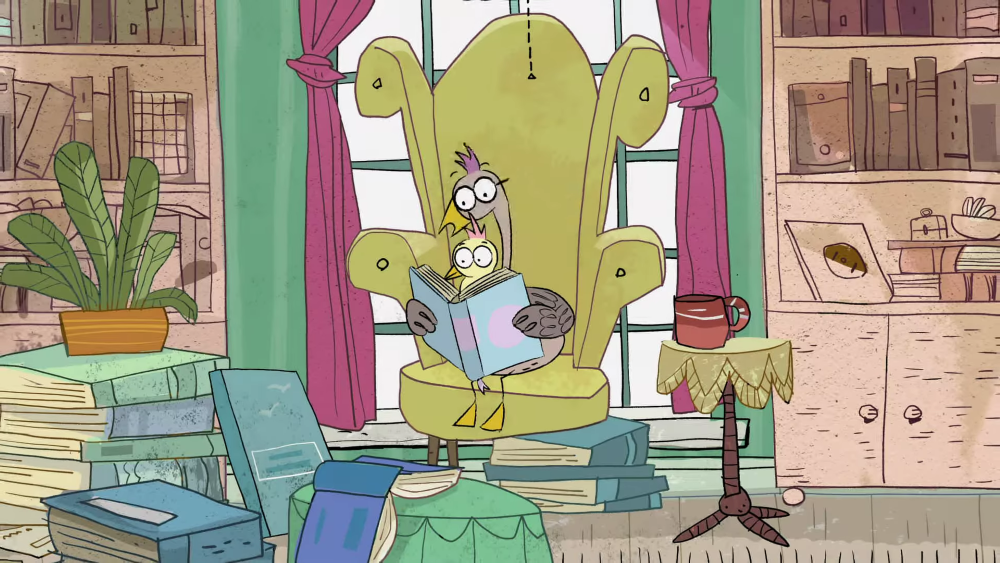
And then with animation, we have our children’s series Professor Goose that we’ve developed scripts for and are currently looking for partners that can bring commissions, whether for digital or linear. And we also have Hot Flash, which is a 30-min adult comedy adapted by Susan Coyne and Thea Hollatz from our award-winning short film directed by Hollatz.
Beyond that we have two or three other projects in earlier stages, some co-productions, that it would be premature to detail, and that’s about as large as we like to keep our slate. Again, always leaving the opportunity to utilize our significant experience in physical and postproduction to play a minority role in other’s projects.
Looking ahead, what changes would you like to see in Canada–Europe coproduction frameworks to make them more attractive and effective for producers seeking to build internationally viable IP?
More than any one change I think what’s important is that all the stakeholders recognize the treaties and the systems that administer them now bear greater responsibility for the health of the global industry. As collaboration increases, producers need to be providing feedback to the administrators, and they need to act to improve the speed and compatibility of systems across the ecosystem to prevent movies from getting stalled for years. We should also be paying particular attention to how minority co-production is treated within our respective systems, because as I said before, everyone can’t be taking – there must be some give too. We depend on each other more than ever and we must take the responsibility we share seriously to create stability for ourselves.