
Celebrating Heritage, Embracing Innovation: Cécile Menoni on the 65th Monte-Carlo Television Festival
As the Monte-Carlo Television Festival, taking place between June 12-16 this year, celebrates its milestone 65th anniversary, the international television landscape looks vastly different from the one that welcomed the festival's inaugural edition. Today, the traditional boundaries separating linear broadcasting, premium streaming, and digital creator-led content have completely dissolved. Navigating this rapidly shifting ecosystem requires a leadership approach that honors decades of prestige while actively embracing the future. At the helm of this evolution is Executive Director Cécile Menoni, who has steered the festival to reflect a modernized industry where cinematic European productions compete alongside Hollywood giants, and where digital formats finally command their own competitive spotlight.
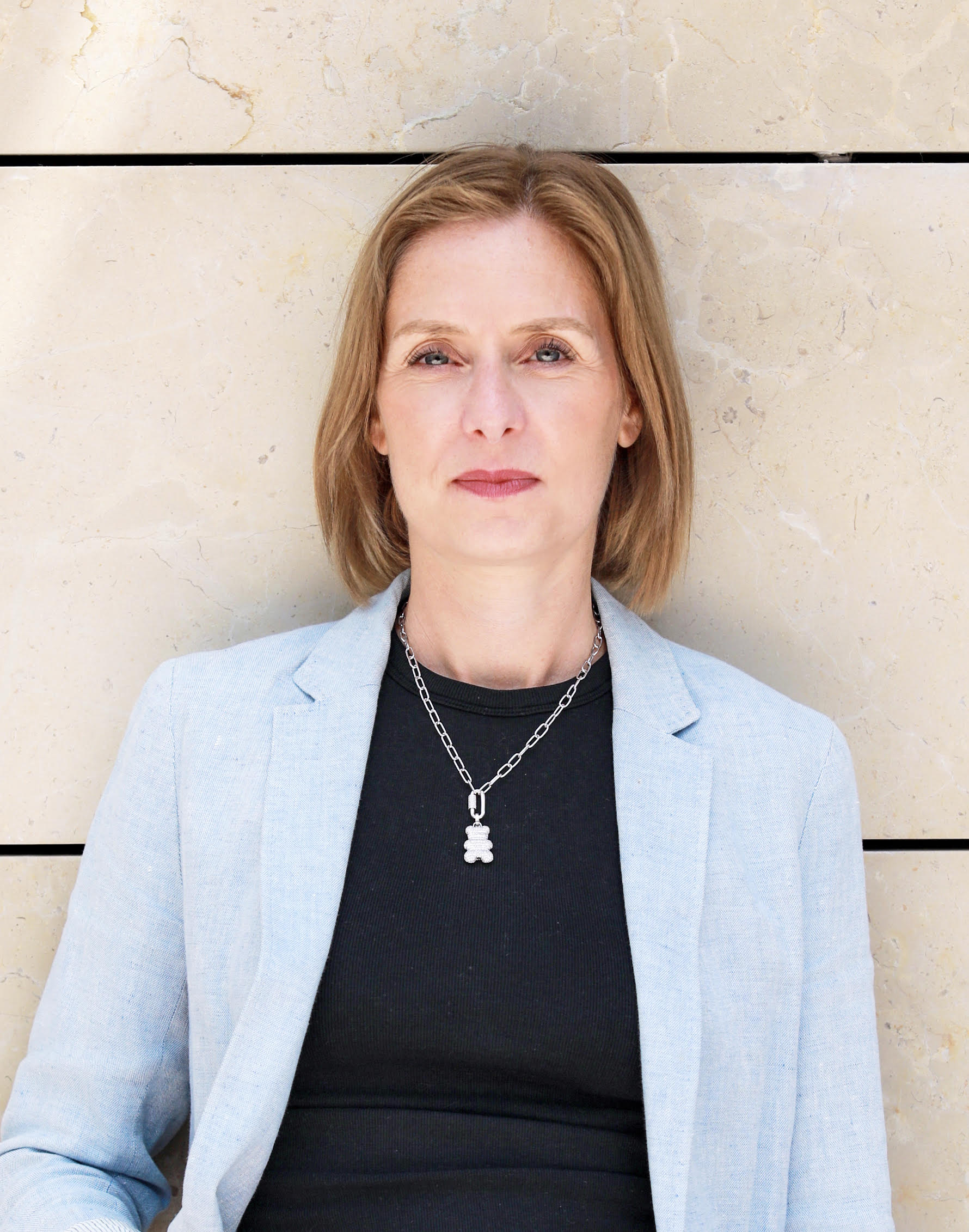
Cecile Menoni, Executive Director Monte Carlo Television Festival
As the Monte-Carlo Television Festival marks its 65th anniversary, how would you define its identity today?
It’s really about bringing people together around storytelling. That has always been the spirit of the Festival. But today, we’re also evolving with the industry. Television has changed enormously—streaming platforms, digital creators, new formats—and the Festival has evolved with it while keeping the same focus on quality, emotion, and international excellence.
The Festival opens with The Walking Dead: Dead City Season 3. What else can we expect?
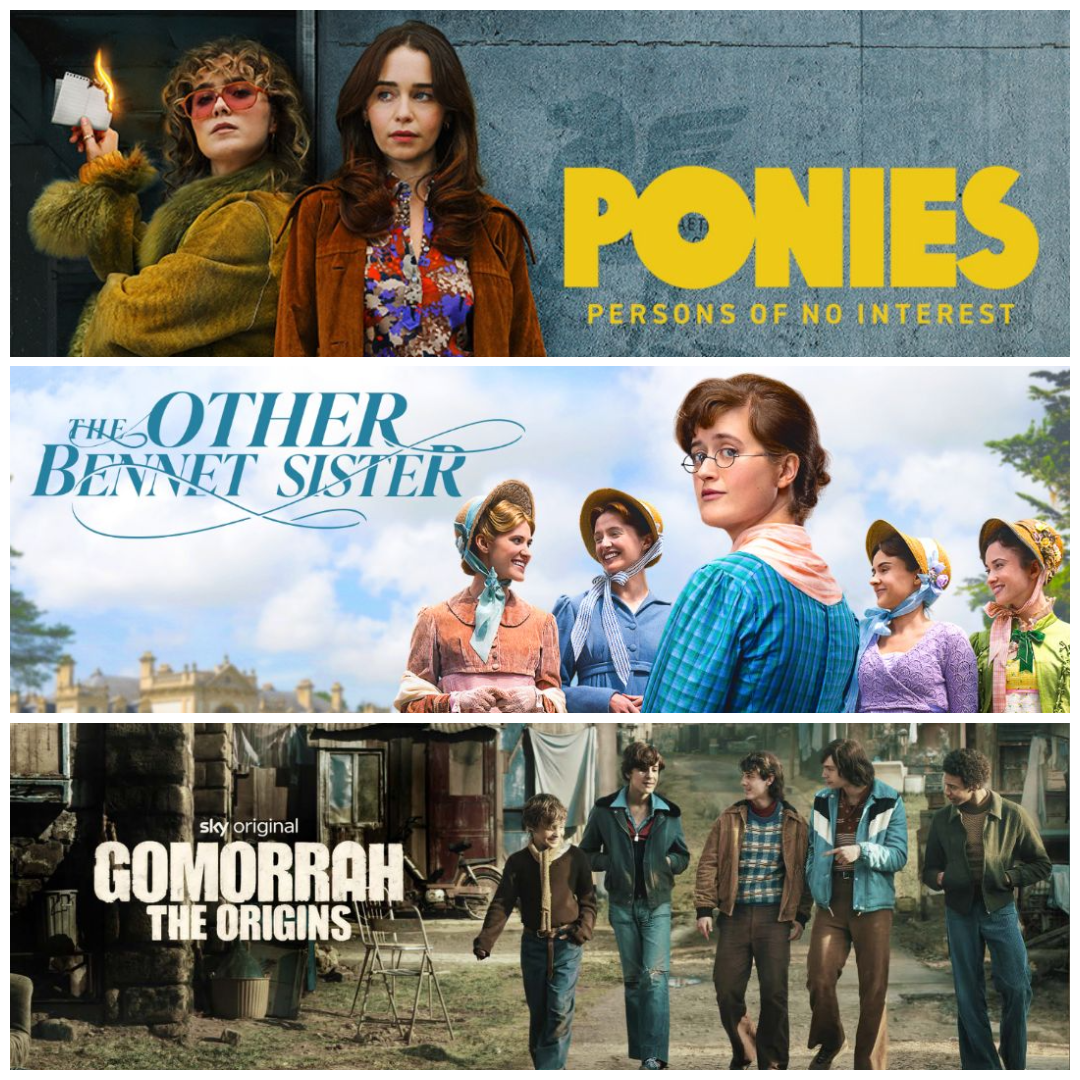
We wanted a very strong and global opening for this anniversary edition. But the programme goes far beyond that. This year’s Official Selection is incredibly rich and international. In Fiction alone, we have major productions such as PONIES starring Emilia Clarke and Haley Lu Richardson, The Other Bennet Sister with Richard E. Grant, and Gomorrah – The Origins, which already has huge anticipation internationally.
There’s really a balance between strong projects and new discoveries.
What makes a “must-have” guest at Monte-Carlo?
It’s not only about celebrities. Of course, we are honoured to welcome iconic figures like Dame Kristin Scott Thomas, Kurt Russell, or talents such as Jeffrey Dean Morgan this year, but what matters most is relevance and connection with audiences. We want guests who represent the industry today and who bring something meaningful to the Festival experience.
How do you approach lifetime achievement awards today?
We really look at impact and legacy. Careers today move across cinema, television, streaming, even digital platforms, so we don’t think in very traditional categories anymore. Someone like Dame Kristin Scott Thomas, for example, has built an extraordinary career across international cinema and television as well with Slow Horses or Fleabag, while remaining deeply respected creatively. That’s exactly the kind of journey we want to celebrate.
What are you looking for in the official selection?
The level becomes higher every year. We’re looking for strong storytelling, originality, but also projects that reflect the world we live in today. This year’s selection ranges from intimate stories like Olivia or Jones to ambitious international productions like PONIES or Gomorrah – The Origins. What’s also very exciting is seeing European productions today competing creatively and artistically on the same level as major American productions, while bringing their own identity and perspective. We want the competition to reflect both artistic quality and the diversity of global television.
How important is diversity within the juries?
It’s essential. The Festival is international, so the juries have to reflect that as well. This year, for example, Fiction is chaired by Lesley Manville, while Joshua Seftel leads Feature Reports & News and Susanne Daniels the Digital category.
Different backgrounds and sensibilities create richer conversations and more balanced decisions.
How do you approach Fiction, Digital, and News?
We really see them as part of the same global ecosystem now. The launch of our first official Digital Competition this year is a very important step for us.
We have projects from Webedia, Deutsche Welle, South Korea, the UK… it shows how storytelling is evolving beyond traditional television, especially in Europe, while remaining deeply connected to audiences.
What defines your Most Promising Talent?
It’s someone with a real presence and artistic identity, but also the feeling that they’re only at the beginning of something much bigger internationally. We’re looking for talent, of course, but also charisma, authenticity, and potential.
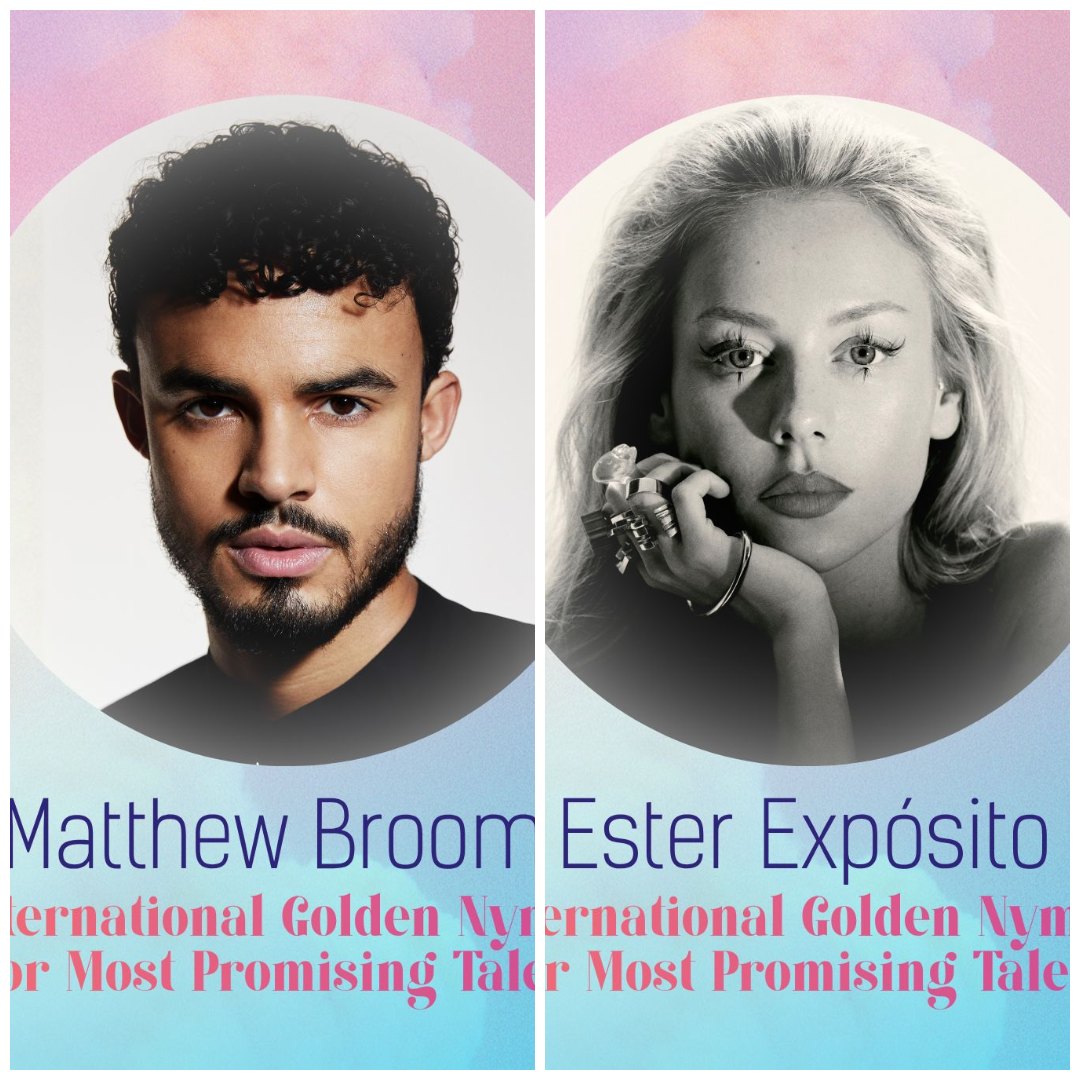
This year, we are especially excited to honour Ester Expósito and Matthew Broome. Ester connected with audiences worldwide through Élite, while Matthew quickly emerged as one of the breakout young talents of his generation with My Fault: London. They both represent this new wave of international talent—modern, charismatic, and with very exciting careers ahead of them.
How do you define success in supporting new talent?
If the Festival can help create opportunities, visibility, or important encounters, then we’ve succeeded. Monte-Carlo has always been a place where careers and collaborations can begin.
How do you see streaming and traditional television evolving?
Today, audiences move naturally between platforms, and talent does too. The distinction matters less and less. What matters is the quality of the story and its ability to connect emotionally with people.
What are the key topics in the Business Content program this year?
This year’s Business Forum really reflects the major conversations happening across the industry right now. We’re talking about AI and how it’s already transforming factual storytelling, the evolution of digital and creator-led content, talent representation, regulation and freedom of speech, but also the fundamentals of storytelling itself.
What makes this year particularly exciting is the level of the speakers involved. We have people like Michael Hirst, creator of Vikings, discussing the creative process, Susanne Daniels reflecting on storytelling in the age of algorithms after shaping platforms like MTV, The WB and YouTube Originals, as well as talents and executives such as Aldis Hodge, Ben Watkins, and Rola Bauer.
Why is the public dimension still important?
Because television is ultimately about audiences. Monte-Carlo has always had this very unique atmosphere where fans, creators, journalists, and industry executives all come together in the same place. That’s part of what makes the Festival special.
Looking ahead, how do you see the Festival evolving?
I think the Festival will continue becoming even more international and more open to new forms of storytelling. This year’s selection already reflects that evolution—with premium television, digital storytelling, investigative journalism, and talents from all over the world.
The goal is really to continue celebrating excellence while staying connected to where the industry is going next.
It’s really about bringing people together around storytelling. That has always been the spirit of the Festival. But today, we’re also evolving with the industry. Television has changed enormously—streaming platforms, digital creators, new formats—and the Festival has evolved with it while keeping the same focus on quality, emotion, and international excellence.
The Festival opens with The Walking Dead: Dead City Season 3. What else can we expect?
We wanted a very strong and global opening for this anniversary edition. But the programme goes far beyond that. This year’s Official Selection is incredibly rich and international. In Fiction alone, we have major productions such as PONIES starring Emilia Clarke and Haley Lu Richardson, The Other Bennet Sister with Richard E. Grant, and Gomorrah – The Origins, which already has huge anticipation internationally.
There’s really a balance between strong projects and new discoveries.
What makes a “must-have” guest at Monte-Carlo?
It’s not only about celebrities. Of course, we are honoured to welcome iconic figures like Dame Kristin Scott Thomas, Kurt Russell, or talents such as Jeffrey Dean Morgan this year, but what matters most is relevance and connection with audiences. We want guests who represent the industry today and who bring something meaningful to the Festival experience.
How do you approach lifetime achievement awards today?
We really look at impact and legacy. Careers today move across cinema, television, streaming, even digital platforms, so we don’t think in very traditional categories anymore. Someone like Dame Kristin Scott Thomas, for example, has built an extraordinary career across international cinema and television as well with Slow Horses or Fleabag, while remaining deeply respected creatively. That’s exactly the kind of journey we want to celebrate.
What are you looking for in the official selection?
The level becomes higher every year. We’re looking for strong storytelling, originality, but also projects that reflect the world we live in today. This year’s selection ranges from intimate stories like Olivia or Jones to ambitious international productions like PONIES or Gomorrah – The Origins. What’s also very exciting is seeing European productions today competing creatively and artistically on the same level as major American productions, while bringing their own identity and perspective. We want the competition to reflect both artistic quality and the diversity of global television.
How important is diversity within the juries?
It’s essential. The Festival is international, so the juries have to reflect that as well. This year, for example, Fiction is chaired by Lesley Manville, while Joshua Seftel leads Feature Reports & News and Susanne Daniels the Digital category.
Different backgrounds and sensibilities create richer conversations and more balanced decisions.
How do you approach Fiction, Digital, and News?
We really see them as part of the same global ecosystem now. The launch of our first official Digital Competition this year is a very important step for us.
We have projects from Webedia, Deutsche Welle, South Korea, the UK… it shows how storytelling is evolving beyond traditional television, especially in Europe, while remaining deeply connected to audiences.
What defines your Most Promising Talent?
It’s someone with a real presence and artistic identity, but also the feeling that they’re only at the beginning of something much bigger internationally. We’re looking for talent, of course, but also charisma, authenticity, and potential.
This year, we are especially excited to honour Ester Expósito and Matthew Broome. Ester connected with audiences worldwide through Élite, while Matthew quickly emerged as one of the breakout young talents of his generation with My Fault: London. They both represent this new wave of international talent—modern, charismatic, and with very exciting careers ahead of them.
How do you define success in supporting new talent?
If the Festival can help create opportunities, visibility, or important encounters, then we’ve succeeded. Monte-Carlo has always been a place where careers and collaborations can begin.
How do you see streaming and traditional television evolving?
Today, audiences move naturally between platforms, and talent does too. The distinction matters less and less. What matters is the quality of the story and its ability to connect emotionally with people.
What are the key topics in the Business Content program this year?
This year’s Business Forum really reflects the major conversations happening across the industry right now. We’re talking about AI and how it’s already transforming factual storytelling, the evolution of digital and creator-led content, talent representation, regulation and freedom of speech, but also the fundamentals of storytelling itself.
What makes this year particularly exciting is the level of the speakers involved. We have people like Michael Hirst, creator of Vikings, discussing the creative process, Susanne Daniels reflecting on storytelling in the age of algorithms after shaping platforms like MTV, The WB and YouTube Originals, as well as talents and executives such as Aldis Hodge, Ben Watkins, and Rola Bauer.
Why is the public dimension still important?
Because television is ultimately about audiences. Monte-Carlo has always had this very unique atmosphere where fans, creators, journalists, and industry executives all come together in the same place. That’s part of what makes the Festival special.
Looking ahead, how do you see the Festival evolving?
I think the Festival will continue becoming even more international and more open to new forms of storytelling. This year’s selection already reflects that evolution—with premium television, digital storytelling, investigative journalism, and talents from all over the world.
The goal is really to continue celebrating excellence while staying connected to where the industry is going next.