
Lesley Manville talks about Escorted, streamers and why writing comes first
Fresh from winning a Tony Award and serving as President of the Fiction Jury at the Monte-Carlo TV Festival, acclaimed British actress Lesley Manville offered a candid look at how she chooses roles, her relationship with television, her upcoming projects, and why instinct remains the most important tool in her career.
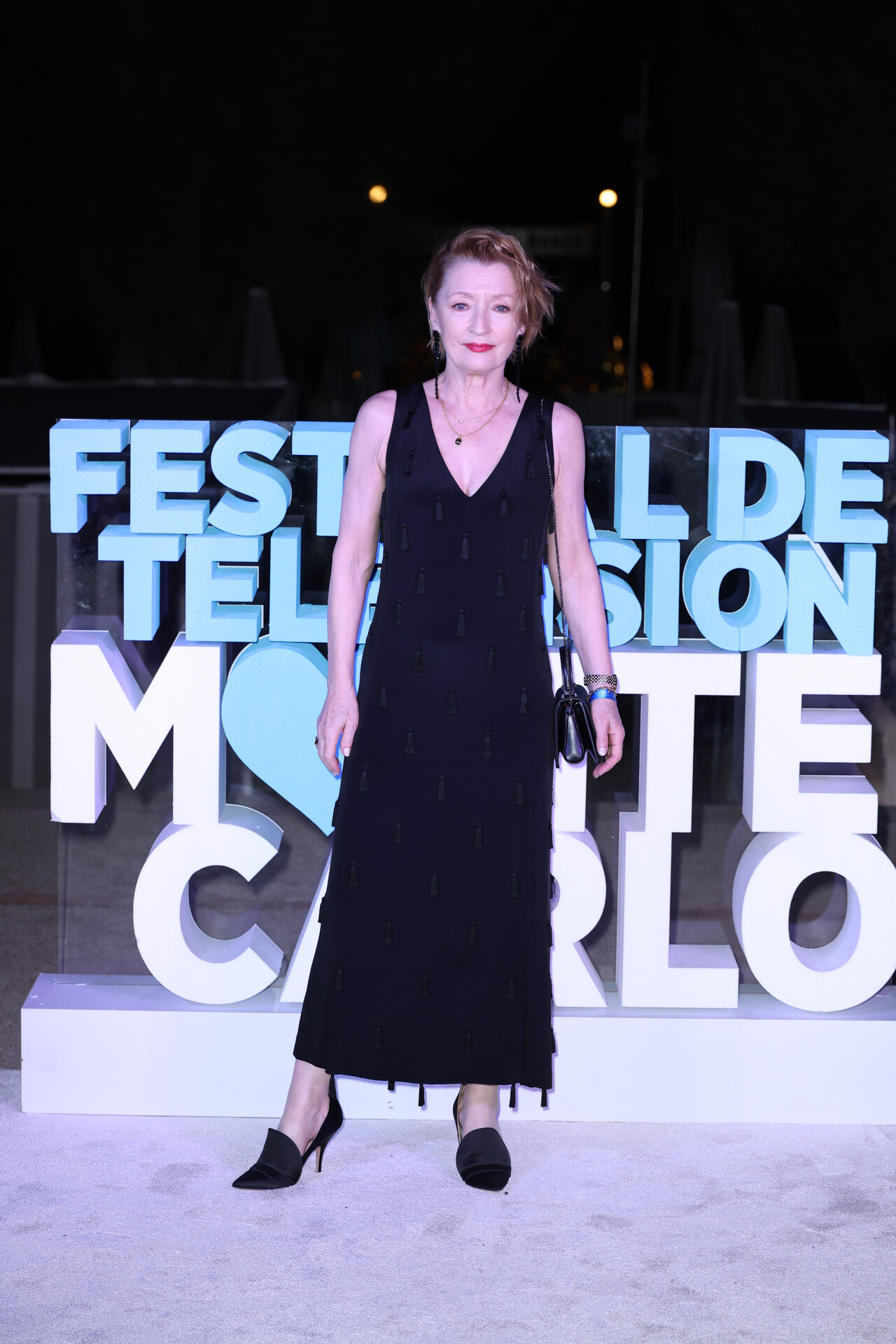
Lesley Manville
Speaking during a roundtable interview in Monte-Carlo, Manville admitted that despite heading the Fiction Jury, she has barely watched any television over the past year due to an intense theater schedule that included productions on Broadway and London's West End.
"I have quite literally watched no television apart from the two days here watching the jury stuff," she said. "Since I've been home from Broadway, I've turned my TV on twice. And that was just to watch the news."
She praised several of the festival's competition entries, revealing that some productions had deeply impressed the jury and would likely be recognized at the closing ceremony.
Asked how she evaluates television as jury president, Manville said there is no universal formula.
"You can only judge it by your own standards," she explained. "It's like when you read a critique about a job you've done. It's one person's view."
She revealed that the jury's deliberations were remarkably harmonious despite its international makeup. "It was a very healthy, very good few days. No acrimony at all. It's been fantastic."
While discussing the awards process, Manville stressed the importance of strong writing, even though there is no specific writing category in the Fiction Competition. "If something's well written, everybody's going to have a better chance who's in it," she said. "The good writing is the foundations."
The conversation soon turned to Manville's own career and the TVBIZZ question that perhaps revealed the most about her creative process: how does she decide whether to accept a role?
Her answer was immediate. "Writing. Primarily."
She then outlined what amounts to her personal checklist when evaluating projects.
"Who's going to direct it? Who's going to be in it with me? Have I got to go to the North Pole for six months? No, thank you."
However, she emphasized that every decision begins with the script itself. "I try and read something without knowing too much about all the other things that surround it because they can influence you."
For Manville, the essential questions are whether the role is interesting, whether it represents new territory, and whether she feels a strong instinctive connection to it.
"Do I have a gut feeling about it? Instinct, instinct. I trust my instinct a lot these days."
That philosophy also guided her decision to star in the Tony Award-winning production of Oedipus.
"As soon as I read Oedipus, I just thought, nobody's getting this," she said. The actress praised director Robert Icke for transforming the role of Jocasta into one of the most substantial female characters she has encountered. "He wrote me the greatest speech I've ever had to deliver, unquestionably."
A similar logic informed her decision to return to Les Liaisons Dangereuses, a play she originally performed in four decades ago.
"It felt a fantastic full circle."
Manville also discussed her upcoming Prime Video comedy Escorted, created by Brett Goldstein. The eight-part series marks a departure from much of her previous work.
"He's written it. I know his work. We've talked a lot in the last few months. I really like him and I think what he's written is great."
She added that the role appealed to her because it takes her into territory she has not explored before. "It's quite an interesting character for me to play and not a territory I've particularly been in before."
The discussion naturally shifted toward the modern television landscape and when asked by TVBIZZ whether working with streamers differs from traditional broadcasters, she admitted: "It doesn't matter to me that we're making television."
Whether a project originates at the BBC, ITV, Netflix or Amazon is largely irrelevant from her perspective. "My job is to go there and deliver a character."
She explained that distribution platforms have little impact on her creative process because the work itself remains fundamentally the same. "Whether it's for BBC, ITV, Netflix, doesn't really make any difference to me."
The actress also provided updates on her continuing collaboration with novelist and screenwriter Anthony Horowitz. She revealed that the upcoming season concludes a trilogy based on Horowitz's novels. "We only wrote two novels in fact and then he said to me if you'll do a third series I'll write the third novel."
Beyond her future projects, Manville reflected on several landmark roles from her career. Asked about television series she has loved, she highlighted The Crown and Succession as standout achievements.
"Before I knew I was going to be in The Crown, I loved The Crown."
When preparing to portray Princess Margaret in the acclaimed Netflix drama, Manville spent nearly two years researching the role through books and documentaries. Yet she stressed that creator Peter Morgan was never simply recreating history.
"What's beautiful about it is he's writing about the things that nobody could ever know."
One of the most poignant memories she shared involved filming The Crown on the day Queen Elizabeth II died. Manville and co-star Imelda Staunton were shooting an emotional scene between Princess Margaret and Queen Elizabeth when news of the monarch's death began circulating. "We were very subdued."
The actresses had discussed whether filming should continue if the Queen's passing was announced during production. As it happened, filming wrapped shortly before the news became public.
"I drove home and I walked in the door just as it was being announced on the six o'clock news." She described it as "an unusual day at the office."
The actress also spoke about producing, explaining that while she has executive-produced several projects, including Mrs Harris Goes to Paris, she does not believe a producer credit is necessary to influence creative decisions.
"People employ me because they want to hear what I've got to say." She cited filmmakers such as Paul Thomas Anderson, Alfonso Cuarón and Joel Coen as directors who actively welcome creative input from actors.
Finally, Manville reflected warmly on one of her most beloved television successes, Mum, which continues to attract passionate fans years after its conclusion. "I loved doing Mum."
She praised the series for taking a slow, patient approach to storytelling at a time when modern relationships are often portrayed differently. "It was a story that took three series to get this couple to a point where they went yes."
Calling it "a great piece of television," Manville said she was touched by how many people at Monte-Carlo still wanted to discuss the series.
"I have quite literally watched no television apart from the two days here watching the jury stuff," she said. "Since I've been home from Broadway, I've turned my TV on twice. And that was just to watch the news."
She praised several of the festival's competition entries, revealing that some productions had deeply impressed the jury and would likely be recognized at the closing ceremony.
Asked how she evaluates television as jury president, Manville said there is no universal formula.
"You can only judge it by your own standards," she explained. "It's like when you read a critique about a job you've done. It's one person's view."
She revealed that the jury's deliberations were remarkably harmonious despite its international makeup. "It was a very healthy, very good few days. No acrimony at all. It's been fantastic."
While discussing the awards process, Manville stressed the importance of strong writing, even though there is no specific writing category in the Fiction Competition. "If something's well written, everybody's going to have a better chance who's in it," she said. "The good writing is the foundations."
The conversation soon turned to Manville's own career and the TVBIZZ question that perhaps revealed the most about her creative process: how does she decide whether to accept a role?
Her answer was immediate. "Writing. Primarily."
She then outlined what amounts to her personal checklist when evaluating projects.
"Who's going to direct it? Who's going to be in it with me? Have I got to go to the North Pole for six months? No, thank you."
However, she emphasized that every decision begins with the script itself. "I try and read something without knowing too much about all the other things that surround it because they can influence you."
For Manville, the essential questions are whether the role is interesting, whether it represents new territory, and whether she feels a strong instinctive connection to it.
"Do I have a gut feeling about it? Instinct, instinct. I trust my instinct a lot these days."
That philosophy also guided her decision to star in the Tony Award-winning production of Oedipus.
"As soon as I read Oedipus, I just thought, nobody's getting this," she said. The actress praised director Robert Icke for transforming the role of Jocasta into one of the most substantial female characters she has encountered. "He wrote me the greatest speech I've ever had to deliver, unquestionably."
A similar logic informed her decision to return to Les Liaisons Dangereuses, a play she originally performed in four decades ago.
"It felt a fantastic full circle."
Manville also discussed her upcoming Prime Video comedy Escorted, created by Brett Goldstein. The eight-part series marks a departure from much of her previous work.
"He's written it. I know his work. We've talked a lot in the last few months. I really like him and I think what he's written is great."
She added that the role appealed to her because it takes her into territory she has not explored before. "It's quite an interesting character for me to play and not a territory I've particularly been in before."
The discussion naturally shifted toward the modern television landscape and when asked by TVBIZZ whether working with streamers differs from traditional broadcasters, she admitted: "It doesn't matter to me that we're making television."
Whether a project originates at the BBC, ITV, Netflix or Amazon is largely irrelevant from her perspective. "My job is to go there and deliver a character."
She explained that distribution platforms have little impact on her creative process because the work itself remains fundamentally the same. "Whether it's for BBC, ITV, Netflix, doesn't really make any difference to me."
The actress also provided updates on her continuing collaboration with novelist and screenwriter Anthony Horowitz. She revealed that the upcoming season concludes a trilogy based on Horowitz's novels. "We only wrote two novels in fact and then he said to me if you'll do a third series I'll write the third novel."
Beyond her future projects, Manville reflected on several landmark roles from her career. Asked about television series she has loved, she highlighted The Crown and Succession as standout achievements.
"Before I knew I was going to be in The Crown, I loved The Crown."
When preparing to portray Princess Margaret in the acclaimed Netflix drama, Manville spent nearly two years researching the role through books and documentaries. Yet she stressed that creator Peter Morgan was never simply recreating history.
"What's beautiful about it is he's writing about the things that nobody could ever know."
One of the most poignant memories she shared involved filming The Crown on the day Queen Elizabeth II died. Manville and co-star Imelda Staunton were shooting an emotional scene between Princess Margaret and Queen Elizabeth when news of the monarch's death began circulating. "We were very subdued."
The actresses had discussed whether filming should continue if the Queen's passing was announced during production. As it happened, filming wrapped shortly before the news became public.
"I drove home and I walked in the door just as it was being announced on the six o'clock news." She described it as "an unusual day at the office."
The actress also spoke about producing, explaining that while she has executive-produced several projects, including Mrs Harris Goes to Paris, she does not believe a producer credit is necessary to influence creative decisions.
"People employ me because they want to hear what I've got to say." She cited filmmakers such as Paul Thomas Anderson, Alfonso Cuarón and Joel Coen as directors who actively welcome creative input from actors.
Finally, Manville reflected warmly on one of her most beloved television successes, Mum, which continues to attract passionate fans years after its conclusion. "I loved doing Mum."
She praised the series for taking a slow, patient approach to storytelling at a time when modern relationships are often portrayed differently. "It was a story that took three series to get this couple to a point where they went yes."
Calling it "a great piece of television," Manville said she was touched by how many people at Monte-Carlo still wanted to discuss the series.