
Greg Daniels on The Office, The Paper and why optimism still matters
Few television creators have had a greater influence on modern comedy than Greg Daniels. The five-time Emmy Award winner developed the American version of The Office, co-created Parks and Recreation and King of the Hill, created Upload and is currently co-creator and showrunner of The Paper, the series set in the same universe as The Office. A member of the Fiction Jury at the 65th Monte-Carlo Television Festival, Daniels reflected on optimism, the evolution of the workplace comedy, the future of journalism and the challenges posed by big tech during a roundtable interview with international media.
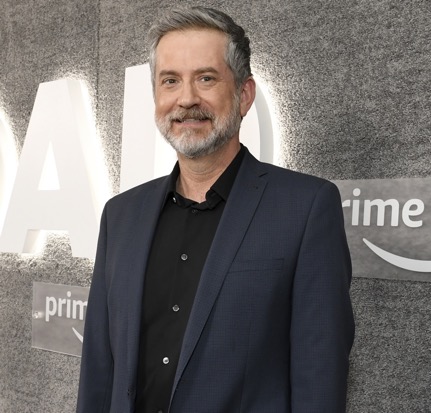
Greg Daniels
Asked by TVBIZZ whether it is becoming harder to maintain optimism in storytelling given the many challenges facing the world today, Daniels argued that hope may actually be more necessary now than ever.
“You could make the argument it's more important to be optimistic than ever.”
The veteran writer explained that his approach has always been to remain realistic about life's difficulties while still offering audiences something positive to take away.
“And I also think that I try to be realistic in the stories and yet find something that is a good takeaway. So even in a situation of failure or loss, if you can make a new friend or something can give you some satisfaction and you can frame your experience in a way that you can have a takeaway that's positive.”
That philosophy has shaped many of Daniels' best-known series, from The Office to Parks and Recreation, where characters often experience setbacks but ultimately find meaning through relationships and personal growth.
The conversation then turned to The Office and whether the landmark workplace comedy could even be made in the same way today. Daniels explained that he always approached the series as if viewers were watching a genuine documentary.
“I really like to look at it from the standpoint of it's a real documentary. It's not obviously, but I mean, I want the authorship of the documentary to feel very present in the show.”
According to Daniels, the original series captured a workplace in transition, where changing social norms were beginning to challenge established behavior.
“The original show, the documentary was realizing that times were changing in the workplace and sensitivities were increasing that hadn't been there before. And so that was the topic of the documentary.”
A modern version, however, would face a different reality.
“I think if you were to try and do the exact same show today, the thing you might say is, well, you certainly know what the rules are, Michael Scott, and if you're not following them, you can't claim ignorance in 2026. It would have to be a choice.”
Daniels noted that one of the reasons audiences embraced Michael Scott was because his mistakes came from a desire to be liked rather than from malice.
“When we did the show, you could see that he was just trying to make people happy and have people love him. And he wasn't making some kind of choice to break the rules of politeness. He just didn't really know them very well.”
His series The Paper uses the same documentary framework but focuses on a very different issue: the decline of local journalism.
“The Paper, for instance, the subject of the documentary is shrinking local journalism.”
Daniels even expressed hope that the premise will eventually become outdated.
“Hopefully 10, 20 years from now, you wouldn't want to make that show again because journalism will be back and funded better somehow. Let's hope.”
The 2025 Peacock series stars Domhnall Gleeson and Sabrina Impacciatore. Discussing the casting of Gleeson, Daniels said the role required an unusual combination of qualities.
“The lead, Ned, was a very optimistic person, a very possibly naive person, but very charismatic, very inspiring.”
The character needed someone who could inspire others while also appearing vulnerable.
“It needed to be somebody who had charisma, who had sort of a good kind of romantic masculine energy, but also could pivot and be perhaps considered a fool and an incompetent without, you know, losing that quality.”
Daniels was equally enthusiastic when discussing Impacciatore, whose performance influenced the evolution of her character.
“She did prod us to increase a psychological backstory for her that wasn't like an evil, manipulative person, but more of an insecure person who reacts when they feel threatened, but is essentially considers herself a good, you know, a good person on the inside.”
He added that her contribution ultimately made the role richer and more complex.
“She definitely had a very good influence on the character, making her more of a lead and less of an antagonist.”
The discussion also revisited Daniels' adaptation of the British version of The Office. He suggested that differences between British and American storytelling traditions played a significant role in shaping the U.S. version.
“I also think, just culturally, that British people seem to really love people who lose a lot and are unsuccessful and that somehow an unambitious and somehow that's a code for a lot of British people that that's a good person.”
By contrast, he believes American audiences are often more invested in characters striving to improve their circumstances.
“I think people are more comfortable with somebody struggling to get out of their circumstances.”
The interview also touched on the influence of technology across Daniels' work, particularly in Upload and The Paper. While acknowledging the benefits of innovation, he expressed concerns about the power and lack of accountability of major technology companies.
“I think we need to regulate a lot more, because AI, in its use in creative things, seems to me to be simply intellectual property theft that's so broad and hidden that they're getting away with it.”
He also criticized the economic impact technology platforms have had on journalism.
“The kind of attention theft of Google News, for instance, taking all the advertising and aggregating all the work of the reporters and not paying for any reporter salaries is kind of outrageous.”
Daniels admitted that he personally avoids many of the largest social media platforms.
“I don't do WhatsApp. Because I don't do Facebook, right? And I never have been on Facebook. And now it's been so many years. And they've bought Instagram, so I don't do Instagram.”
Despite those concerns, the veteran creator remains committed to balancing comedy with emotional storytelling, a philosophy that has defined his work for decades.
“I like to be able to alternate between moments of comedy and moments of emotional connection or, you know, some other dramatic quality, personally.”
That combination of humor, humanity and optimism has helped make Daniels one of television's most influential creative voices, and judging by his comments in Monte-Carlo, it remains central to everything he writes today.
“You could make the argument it's more important to be optimistic than ever.”
The veteran writer explained that his approach has always been to remain realistic about life's difficulties while still offering audiences something positive to take away.
“And I also think that I try to be realistic in the stories and yet find something that is a good takeaway. So even in a situation of failure or loss, if you can make a new friend or something can give you some satisfaction and you can frame your experience in a way that you can have a takeaway that's positive.”
That philosophy has shaped many of Daniels' best-known series, from The Office to Parks and Recreation, where characters often experience setbacks but ultimately find meaning through relationships and personal growth.
The conversation then turned to The Office and whether the landmark workplace comedy could even be made in the same way today. Daniels explained that he always approached the series as if viewers were watching a genuine documentary.
“I really like to look at it from the standpoint of it's a real documentary. It's not obviously, but I mean, I want the authorship of the documentary to feel very present in the show.”
According to Daniels, the original series captured a workplace in transition, where changing social norms were beginning to challenge established behavior.
“The original show, the documentary was realizing that times were changing in the workplace and sensitivities were increasing that hadn't been there before. And so that was the topic of the documentary.”
A modern version, however, would face a different reality.
“I think if you were to try and do the exact same show today, the thing you might say is, well, you certainly know what the rules are, Michael Scott, and if you're not following them, you can't claim ignorance in 2026. It would have to be a choice.”
Daniels noted that one of the reasons audiences embraced Michael Scott was because his mistakes came from a desire to be liked rather than from malice.
“When we did the show, you could see that he was just trying to make people happy and have people love him. And he wasn't making some kind of choice to break the rules of politeness. He just didn't really know them very well.”
His series The Paper uses the same documentary framework but focuses on a very different issue: the decline of local journalism.
“The Paper, for instance, the subject of the documentary is shrinking local journalism.”
Daniels even expressed hope that the premise will eventually become outdated.
“Hopefully 10, 20 years from now, you wouldn't want to make that show again because journalism will be back and funded better somehow. Let's hope.”
The 2025 Peacock series stars Domhnall Gleeson and Sabrina Impacciatore. Discussing the casting of Gleeson, Daniels said the role required an unusual combination of qualities.
“The lead, Ned, was a very optimistic person, a very possibly naive person, but very charismatic, very inspiring.”
The character needed someone who could inspire others while also appearing vulnerable.
“It needed to be somebody who had charisma, who had sort of a good kind of romantic masculine energy, but also could pivot and be perhaps considered a fool and an incompetent without, you know, losing that quality.”
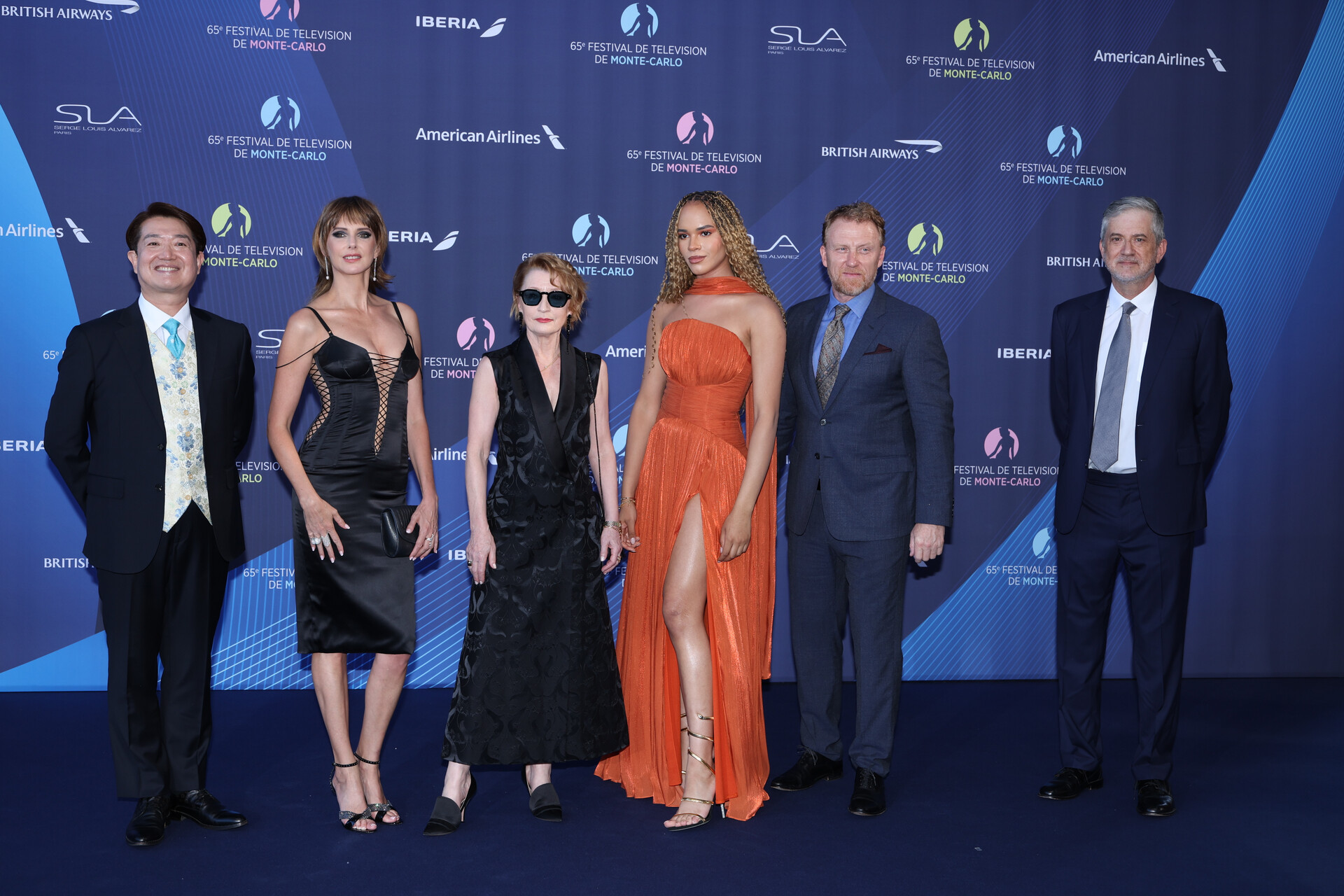
Greg Daniels and the members of Jury Fiction
Daniels was equally enthusiastic when discussing Impacciatore, whose performance influenced the evolution of her character.
“She did prod us to increase a psychological backstory for her that wasn't like an evil, manipulative person, but more of an insecure person who reacts when they feel threatened, but is essentially considers herself a good, you know, a good person on the inside.”
He added that her contribution ultimately made the role richer and more complex.
“She definitely had a very good influence on the character, making her more of a lead and less of an antagonist.”
The discussion also revisited Daniels' adaptation of the British version of The Office. He suggested that differences between British and American storytelling traditions played a significant role in shaping the U.S. version.
“I also think, just culturally, that British people seem to really love people who lose a lot and are unsuccessful and that somehow an unambitious and somehow that's a code for a lot of British people that that's a good person.”
By contrast, he believes American audiences are often more invested in characters striving to improve their circumstances.
“I think people are more comfortable with somebody struggling to get out of their circumstances.”
The interview also touched on the influence of technology across Daniels' work, particularly in Upload and The Paper. While acknowledging the benefits of innovation, he expressed concerns about the power and lack of accountability of major technology companies.
“I think we need to regulate a lot more, because AI, in its use in creative things, seems to me to be simply intellectual property theft that's so broad and hidden that they're getting away with it.”
He also criticized the economic impact technology platforms have had on journalism.
“The kind of attention theft of Google News, for instance, taking all the advertising and aggregating all the work of the reporters and not paying for any reporter salaries is kind of outrageous.”
Daniels admitted that he personally avoids many of the largest social media platforms.
“I don't do WhatsApp. Because I don't do Facebook, right? And I never have been on Facebook. And now it's been so many years. And they've bought Instagram, so I don't do Instagram.”
Despite those concerns, the veteran creator remains committed to balancing comedy with emotional storytelling, a philosophy that has defined his work for decades.
“I like to be able to alternate between moments of comedy and moments of emotional connection or, you know, some other dramatic quality, personally.”
That combination of humor, humanity and optimism has helped make Daniels one of television's most influential creative voices, and judging by his comments in Monte-Carlo, it remains central to everything he writes today.